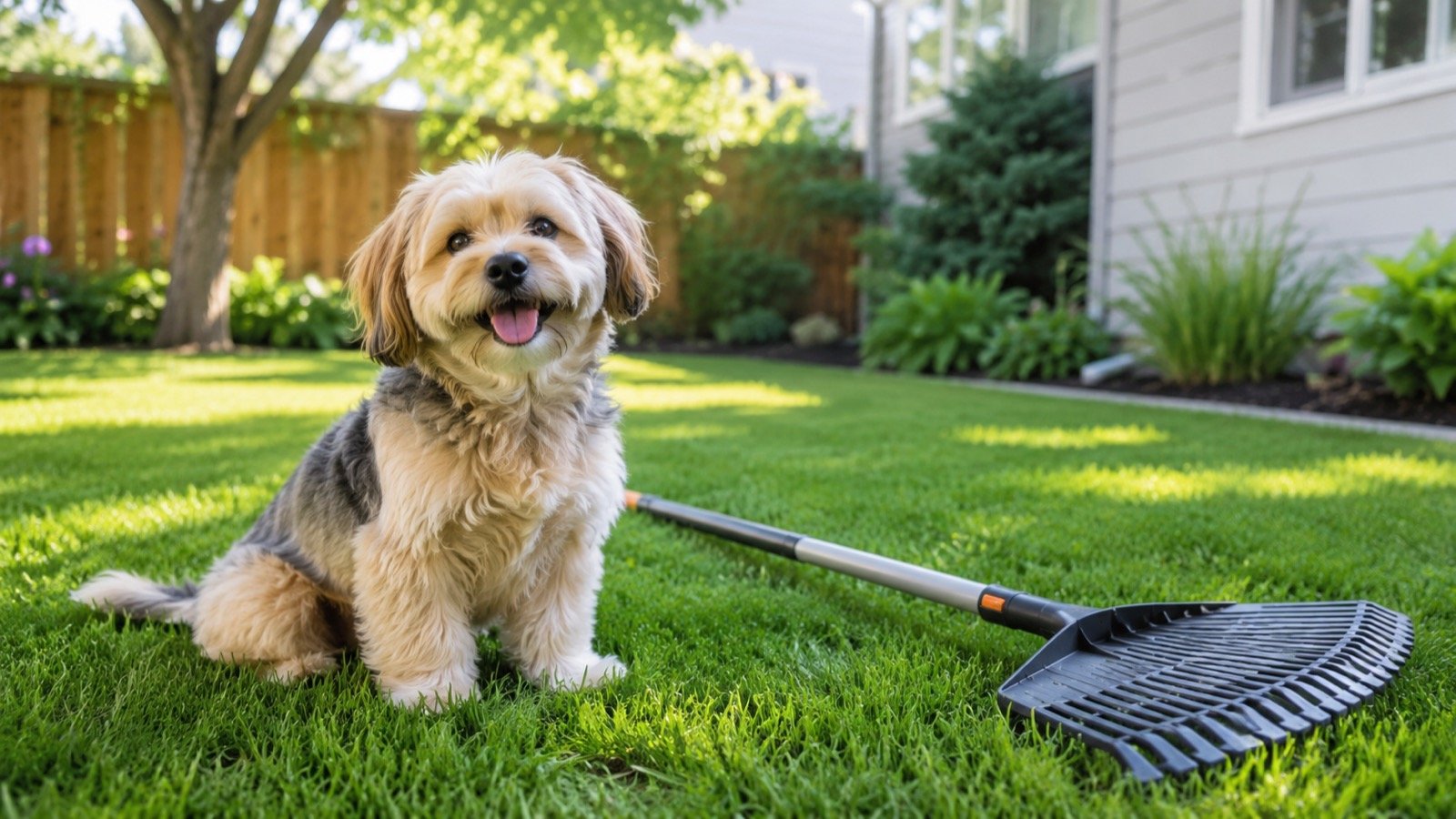

Walk into any pet aisle and the choices blur together, yet finding the best pooper scooper for your specific situation is the difference between a two-minute chore and a daily frustration. Jaw scoopers, rake-and-pan sets, spring-loaded clamps, and long-handled bag holders each excel in different yards, surfaces, and dog sizes. In 2026, the category has matured with lightweight metals and smarter mechanisms, so buyers finally have genuinely good options at every price point. This buying guide cuts through the marketing and helps you match the right tool to your real needs.
There is no single best scooper for everyone. The right choice depends on your surface, your dog, and your body. Understanding the trade-offs is how you avoid a wasted purchase.
What Makes the Best Pooper Scooper for Your Yard
The surface you clean matters most. Grass, gravel, concrete, and mulch each demand a different jaw shape and edge. A rake works on grass but scatters gravel; a flat scoop glides on concrete but struggles in thick turf.
Match the tool to your surface
Before you buy, walk your property and note the surfaces. A mixed yard often needs a versatile jaw-style tool, while a pure-grass lawn pairs best with a rake-and-pan design that combs through blades without gouging the soil. The right tool also encourages you to clean more often, which matters because the U.S. Environmental Protection Agency classifies uncollected pet waste as a nonpoint source pollutant that carries bacteria into local waterways. You can review that guidance on the EPA site.
Comparing the Main Scooper Types
Each design has a clear sweet spot. This comparison shows where each excels so you can shortlist quickly.
| Scooper Type | Best Surface | Bending | Ideal User |
|---|---|---|---|
| Jaw / clamp | Grass, gravel, concrete | Minimal | All-around owners |
| Rake and pan | Grass, mulch | Moderate | Large lawns |
| Spring-loaded scoop | Concrete, patio | Moderate | Small yards |
| Bag-attached scooper | Any surface | None | Seniors, on-the-go |
For versatility across every surface, many buyers land on a well-engineered all-in-one design. The Best pooper scooper options combine a durable jaw with an integrated bag holder so you scoop and bag in a single motion.
Materials and build quality
Aluminum shafts resist rust and stay light, while cheap plastic joints crack within a season. Look for stainless hardware, reinforced jaws, and a warranty that signals the maker stands behind the tool.
How Do I Choose the Right Pooper Scooper?
Answer four quick questions and the choice becomes obvious. This checklist keeps you from overspending or buying the wrong style.
- What surfaces dominate your cleanup area?
- How big is your dog and its waste volume?
- Do you have back, knee, or hip limitations?
- How often will you clean, and how much can you store?
Pair your scooper with a supply of heavy Dog duty Bags, since even the best tool fails if the bag tears at the tie-off. Buying quality gear is like choosing quality service providers for an important task: paying a little more for reliability saves money and stress over the long run.
Key features to prioritize
- Rustproof, lightweight construction for daily durability.
- An ergonomic grip that reduces wrist and hand fatigue.
- A wide enough jaw to clear waste in one pass.
- An integrated or compatible bag holder for clean disposal.
- Easy-to-rinse surfaces that resist odor buildup.
Common Buying Mistakes to Avoid
The cheapest tool is rarely the best value. Flimsy scoopers bend, clog, and get replaced within months, costing more over a year than one quality tool. Buyers also overlook storage size and end up with a clumsy tool that never gets used.
Read past the star rating
A high average rating can hide a pattern of broken springs or cracked handles. Scan recent reviews for durability complaints, and weight your decision toward tools praised specifically for lasting more than a season.
Matching Your Scooper to Your Dog’s Size
Dog size shapes the scooper decision as much as surface does. A tool that clears a toy breed’s waste in one snap may need three passes for a large dog, wasting time and testing the jaw’s capacity.
Small and toy breeds
Compact, precise jaws work best. You want a narrow scoop that captures small deposits cleanly without dragging surrounding grass or gravel. Lightweight tools shine here, since the volume is low and maneuverability matters more than raw capacity.
Medium to giant breeds
- Choose a wide jaw that clears a full deposit in a single motion.
- Look for reinforced construction that resists bending under heavier loads.
- Pair the tool with larger, thicker bags that will not overstuff or split.
- Prioritize a comfortable grip, since bigger jobs mean more repetitions.
When one dog changes everything
Puppies grow, and a scooper bought for an eight-pound pup may be undersized within a year. If you own a fast-growing breed, buy for the adult size from the start to avoid a second purchase. Owners with dogs at both ends of the spectrum often keep a compact tool for quick indoor-adjacent cleanups and a wide-jaw model for the main yard, covering every scenario without compromise and extending the useful life of both tools.
Frequently Asked Questions
What is the best pooper scooper for a small yard?
A jaw or spring-loaded scoop works well in tight spaces because it is compact and precise. If storage is limited, a bag-attached long-handled tool folds the collection and disposal steps into one and takes up little room.
Are metal scoopers better than plastic ones?
Generally yes. Aluminum and stainless components resist rust, survive heavy use, and outlast plastic joints that crack in cold or sun. Metal costs more upfront but delivers better value over years of daily cleanup.
Do I need different scoopers for grass and concrete?
Not necessarily. A versatile jaw-style scooper handles both surfaces well. Dedicated rakes suit grass and flat scoops suit concrete, but if your yard mixes surfaces, one quality all-around tool usually covers everything.
How long should a good pooper scooper last?
A quality metal-and-reinforced-polymer scooper should last several years with basic care, rinsing after use and storing out of the sun. Cheap plastic models often fail within a single season, making durability the smarter long-term buy.
Conclusion: Buy Once, Scoop Easy
The best pooper scooper is the one matched to your surfaces, your dog, and your body, built from materials that survive daily use. Skip the bargain-bin plastic, prioritize an ergonomic all-in-one design, and pair it with heavy-duty bags for clean, tear-free disposal. Choose wisely and cleanup becomes the easiest part of dog ownership. Ready to upgrade? Compare durable, well-designed scoopers today and pick the tool you will not have to replace next season.